
Paludarium Guide: Combining Aquarium, Terrarium, Plants, and Hardscape
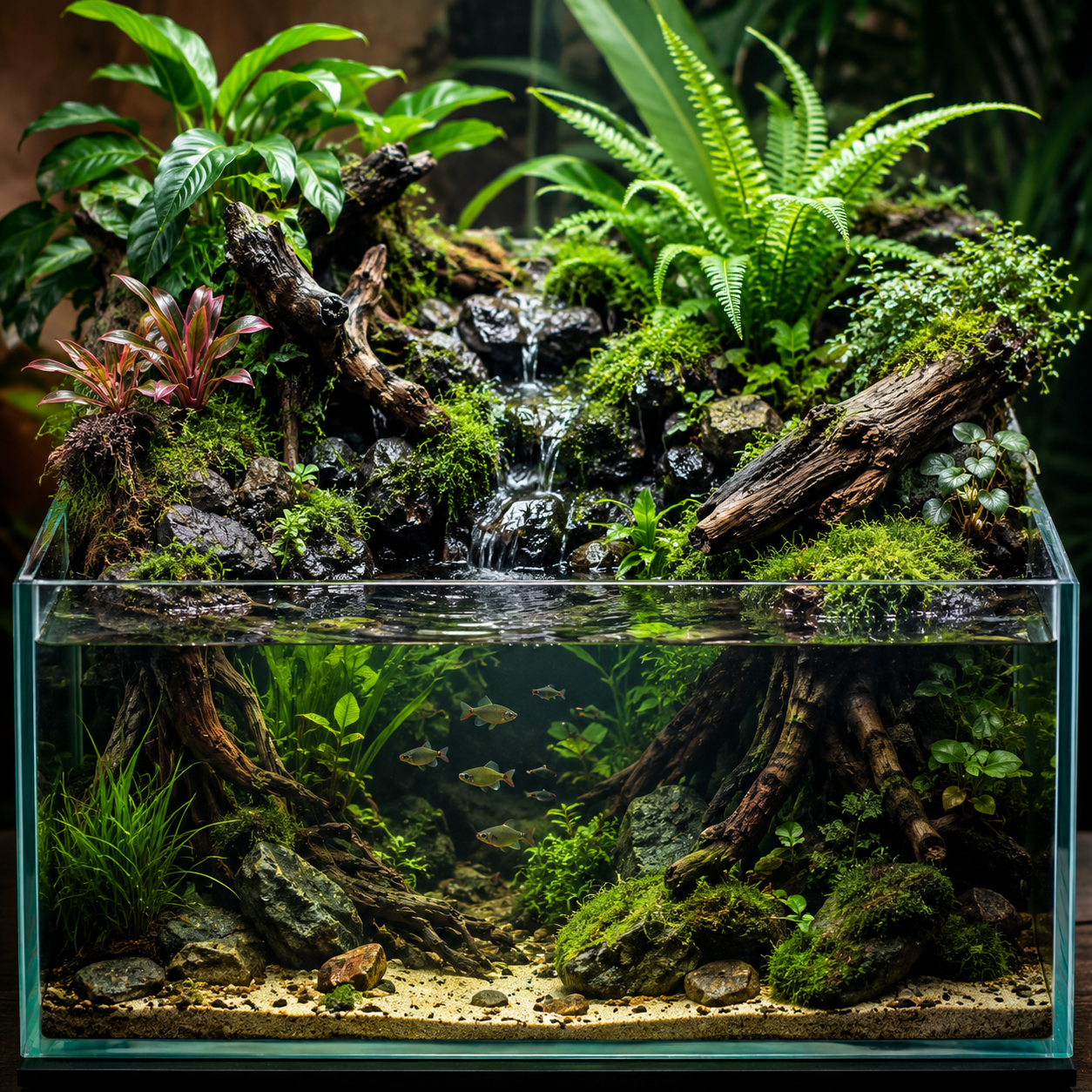
A paludarium is one of the most ambitious and rewarding setups in the aquarium hobby. It combines a living aquarium at the base with an above-water terrestrial environment — waterfall features, living rocks, tropical plants growing in air, and fish below. The result is a living terrarium that blurs the boundary between two ecosystems.
What Is a Paludarium?
The word "paludarium" comes from the Latin "palus" (swamp) and "arium" (container). A paludarium contains:
- An aquatic zone: Below the waterline — fish, shrimp, aquatic plants
- A semi-aquatic (riparian) zone: At the waterline — plants that thrive in both water and air
- A terrestrial zone: Above the waterline — land plants, moss, hardscape, sometimes small frogs or lizards
Types of Paludariums
Waterfall Paludarium
A pump circulates water from the aquatic base up to an elevated section, creating a waterfall over rocks or driftwood. Water cascades back into the base. High visual impact; requires reliable pump and sealed back wall construction.
Emersed Plant Paludarium
No waterfall — water level is maintained at a mid-tank height with exposed substrate and hardscape above. Plants grow emergent from the water. Simpler to build and maintain.
Riparian Bank Paludarium
A sloping substrate bank from the aquatic zone to a raised terrestrial area at one end of the tank. Recreates a natural riverbank environment.
Designing Your Paludarium
Tank Selection
- Minimum size: 60×30×45 cm to achieve meaningful water and land zones
- Tall tanks (60 cm+): Better for waterfall designs and terrestrial height
- Front-opening terrariums: Ideal for paludariums — easy plant access without disturbing the aquatic zone
Waterline Planning
Decide your water level as a percentage of total tank height:
- 30% water / 70% land: Minimal aquatic zone; emphasis on terrestrial plants
- 50% water / 50% land: Equal emphasis; most versatile
- 70% water / 30% land: Primarily aquarium with elevated land section
Construction
Background and Land Structure
Build the above-water structure using:
- Expanding foam + silicone + substrate coating: Lightweight, fully customisable
- Cork bark panels: Natural appearance, lightweight, holds moss and plants
- Lava rock stacked: Heavy but natural; ideal for hardscape-focused designs
- Driftwood branches: Structural and aesthetic; use aquarium-safe wood only
All materials above the waterline must be non-toxic and able to withstand constant humidity.
Aquatic Zone Setup
The aquatic base functions as a standard small aquarium:
- Fine substrate (aquasoil or sand) for aquatic plants
- Canister or small internal filter (outlet aimed to circulate the limited water volume)
- Aquatic plants: anubias, mosses, small crypts, vallisneria
Pump and Waterfall (if included)
- A small submersible pump (300–600 L/h for most paludariums) pushes water up to the elevated section via clear tubing
- Water flows down over rocks, cork, or carved foam back into the base
- Seal all tubing entry points with aquarium silicone to prevent leaks
Best Terrestrial Plants for Singapore Paludariums
Singapore's humidity makes it ideal for tropical paludarium plants:
| Plant | Zone | Notes |
|---|---|---|
| Ficus pumila | Terrestrial | Creeping fig; covers backgrounds beautifully |
| Peperomia | Terrestrial | Many varieties; humidity-loving |
| Selaginella | Terrestrial/riparian | Tropical moss-like; thrives in moist air |
| Tillandsia (air plants) | Terrestrial | No soil needed; attach to wood or rock |
| Begonia | Terrestrial | Stunning varieties; loves moist conditions |
| Aquatic mosses | Riparian/aquatic | java moss and christmas moss both thrive |
| Anubias | Riparian | Can grow fully emersed with roots in water |
| Ferns (small species) | Terrestrial | Natural tropical appearance |
Fish and Animals for Paludariums
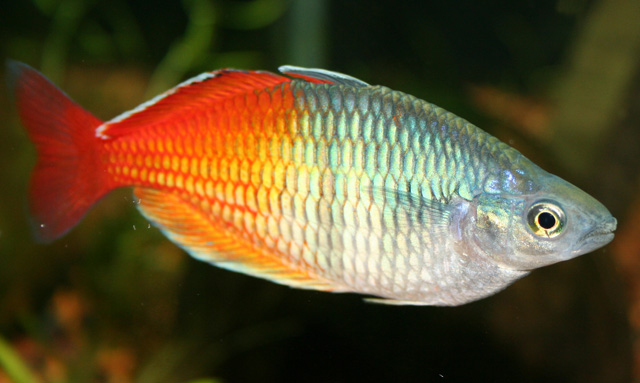
Fish (aquatic zone):
- Small tetras (ember, neon)
- Corydoras (bottom of aquatic zone)
- Small rasboras
- Guppies
Shrimp:
- Cherry shrimp and neocaridina — often found climbing into the riparian zone
Above-water animals (optional, advanced):
- Small tree frogs (requires research — separate from fish zone)
- Vivarium-appropriate geckos
Maintenance
- Water changes: 20–30% weekly on the aquatic zone
- Top-up evaporation: Paludariums evaporate rapidly — daily top-ups often needed
- Trim terrestrial plants: Aggressive growers can overwhelm the design quickly
- Mist terrestrial zone: Daily misting supports tropical plants — a simple hand mister is sufficient for small setups; automatic misters for larger builds
- Monitor water quality: Standard aquatic parameters apply to the water zone
Browse our aquatic plants, hardscape, and aquarium equipment — everything you need to build a paludarium, available in Singapore.