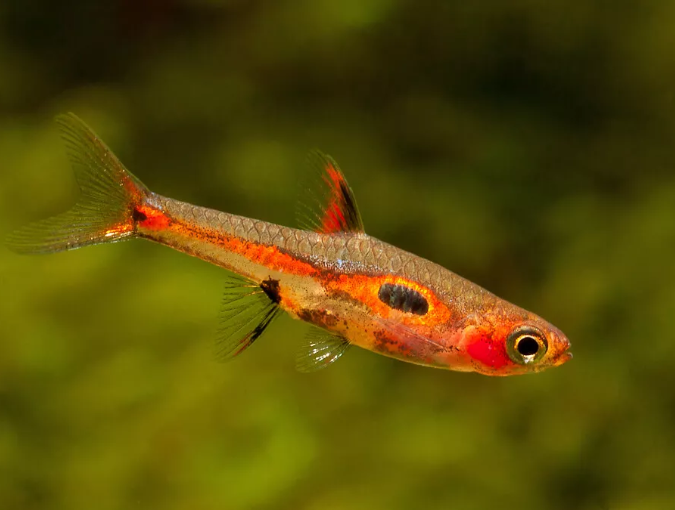
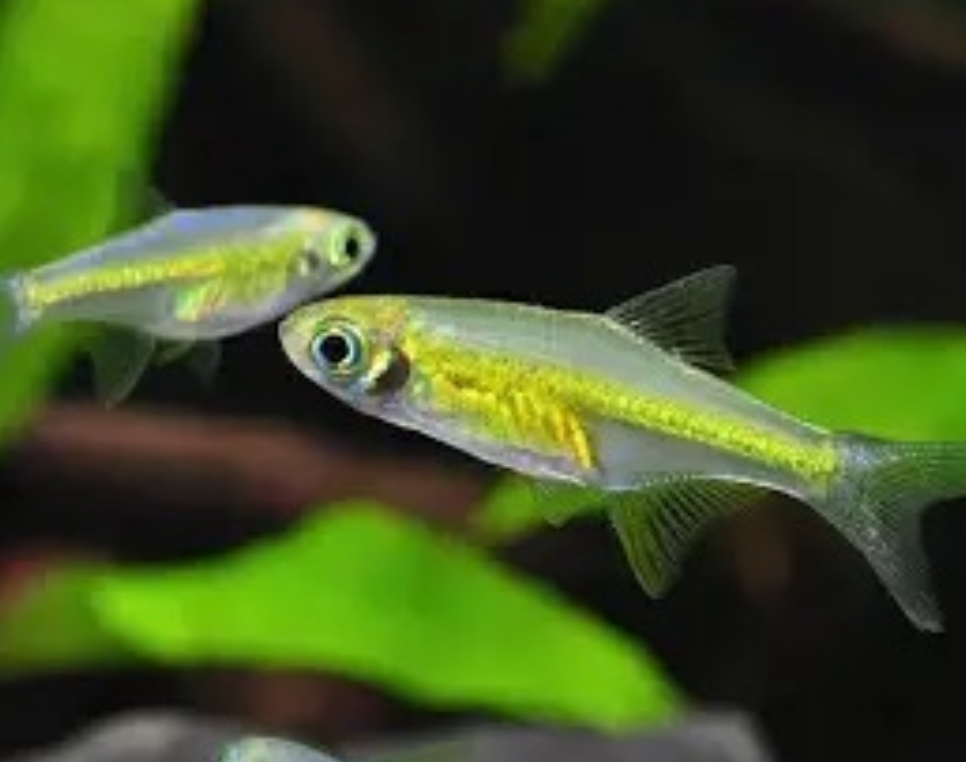
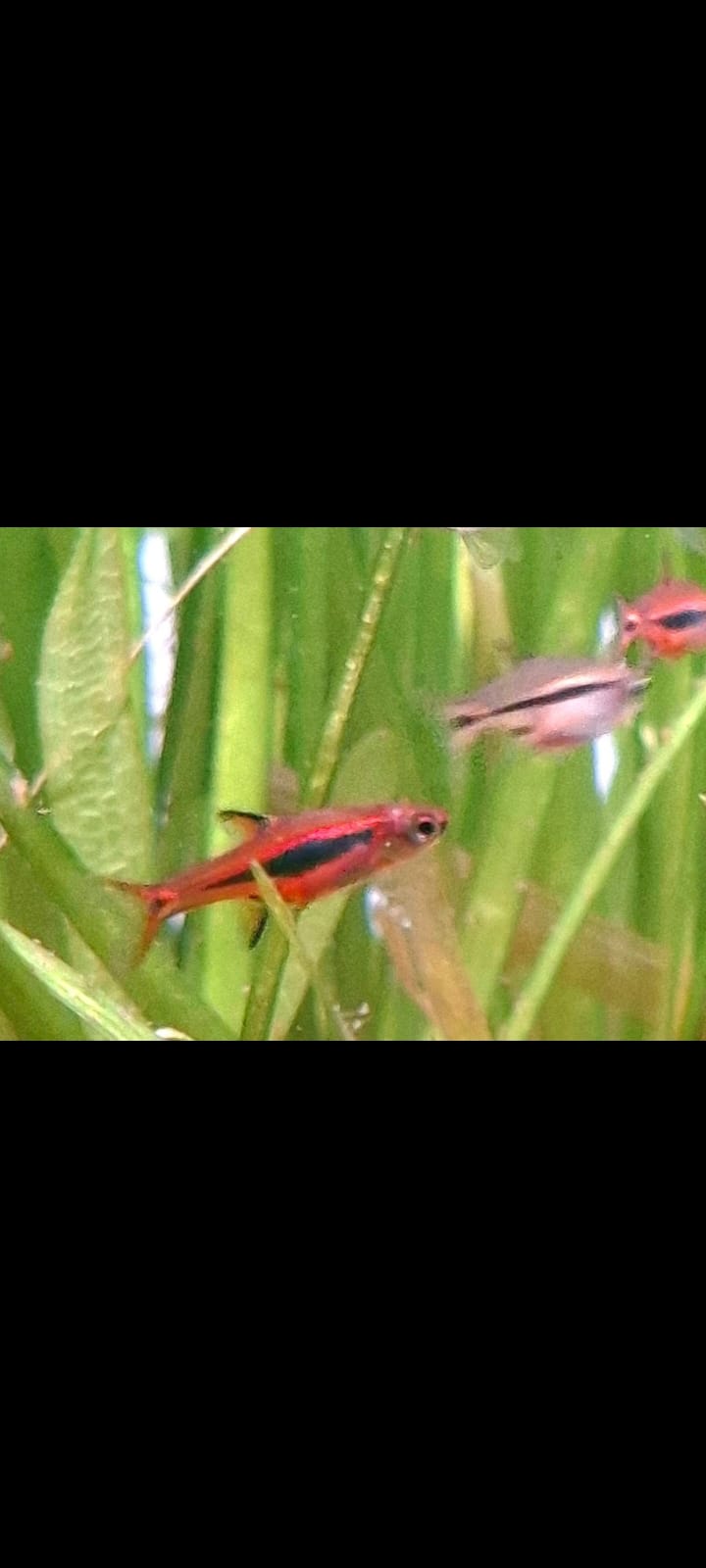
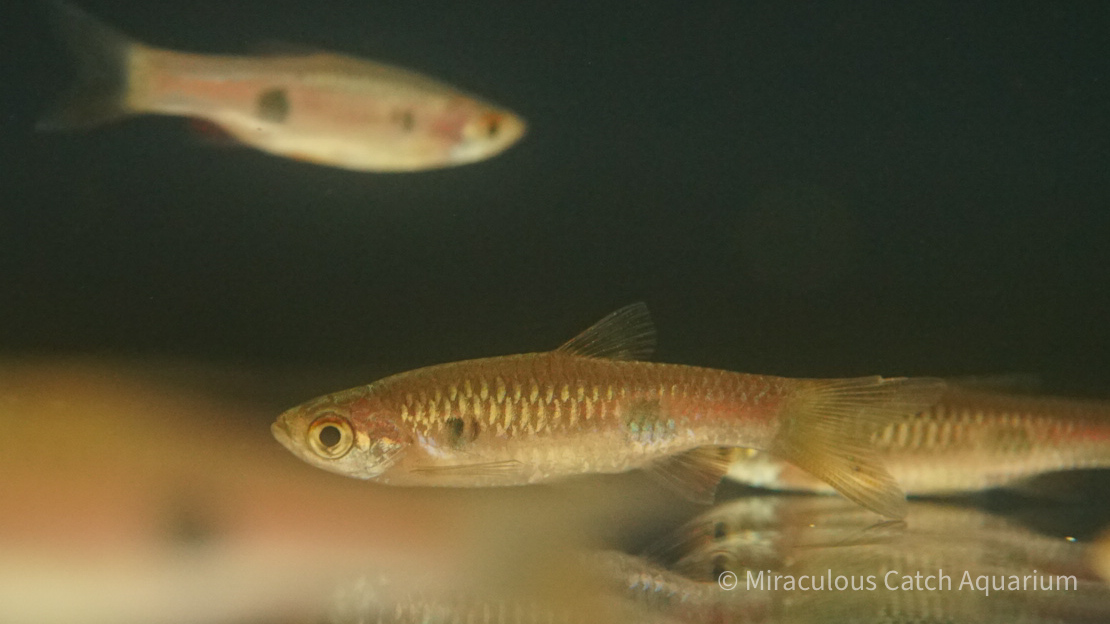
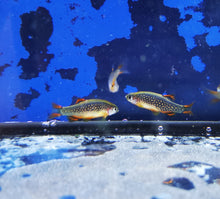
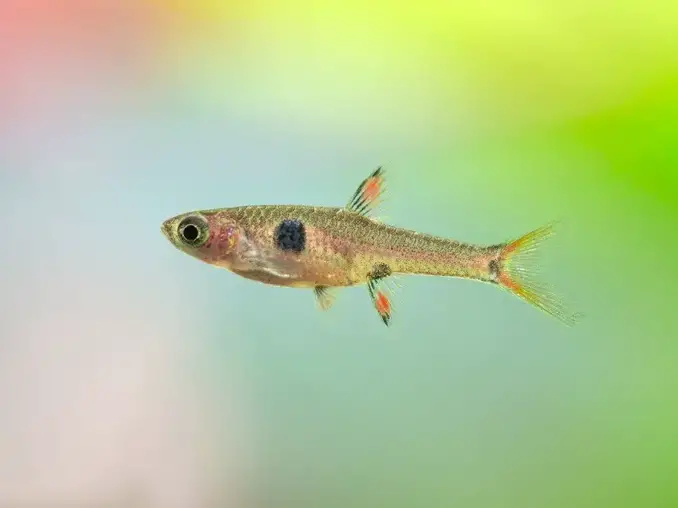
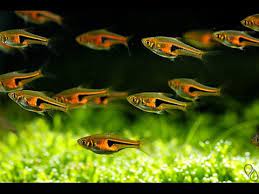
"Discover the vibrant Strawberry Rasbora (Boraras Naeva)! These tiny, red fish bring color and charm to small aquariums with their lively presence."
Overview:
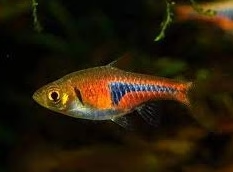
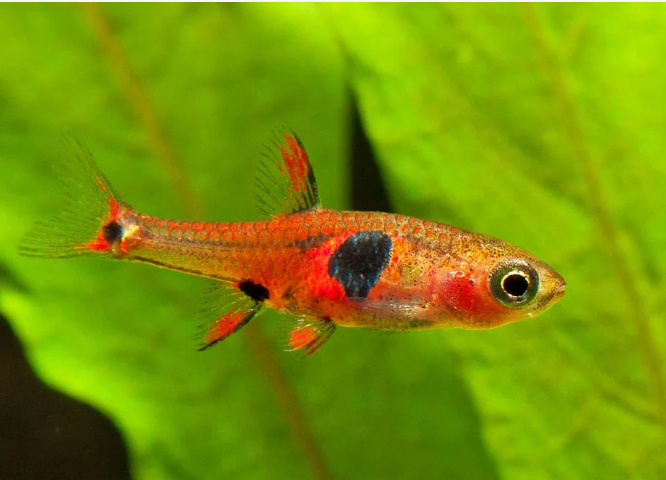
The strawberry Rasbora (Boraras Naeva), is a small and captivating freshwater fish native to the slow-moving waters and peat swamps of Southeast Asia, particularly in Thailand and Malaysia. These fish are highly prized for their intense red coloration and peaceful demeanor, making them a popular choice among aquarists who appreciate nano fish and planted tanks. Despite their diminutive size, Mosquito Rasboras are resilient and active, adding a burst of color and energy to any well-maintained aquarium.
Appearance:
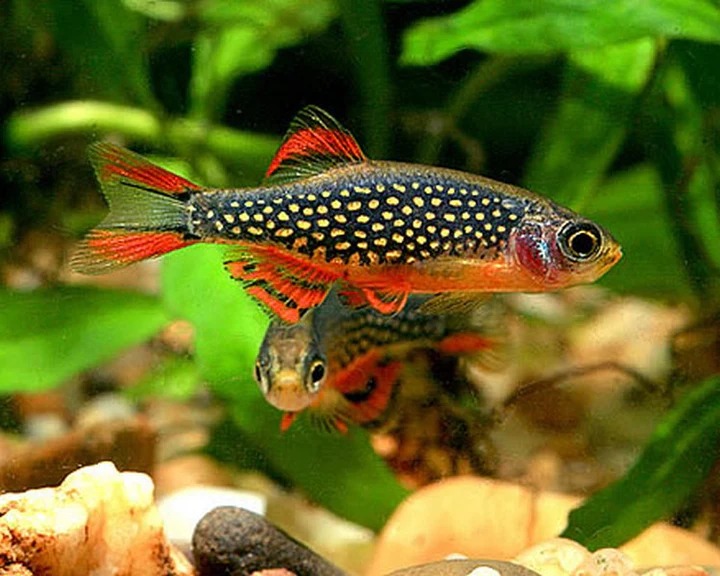
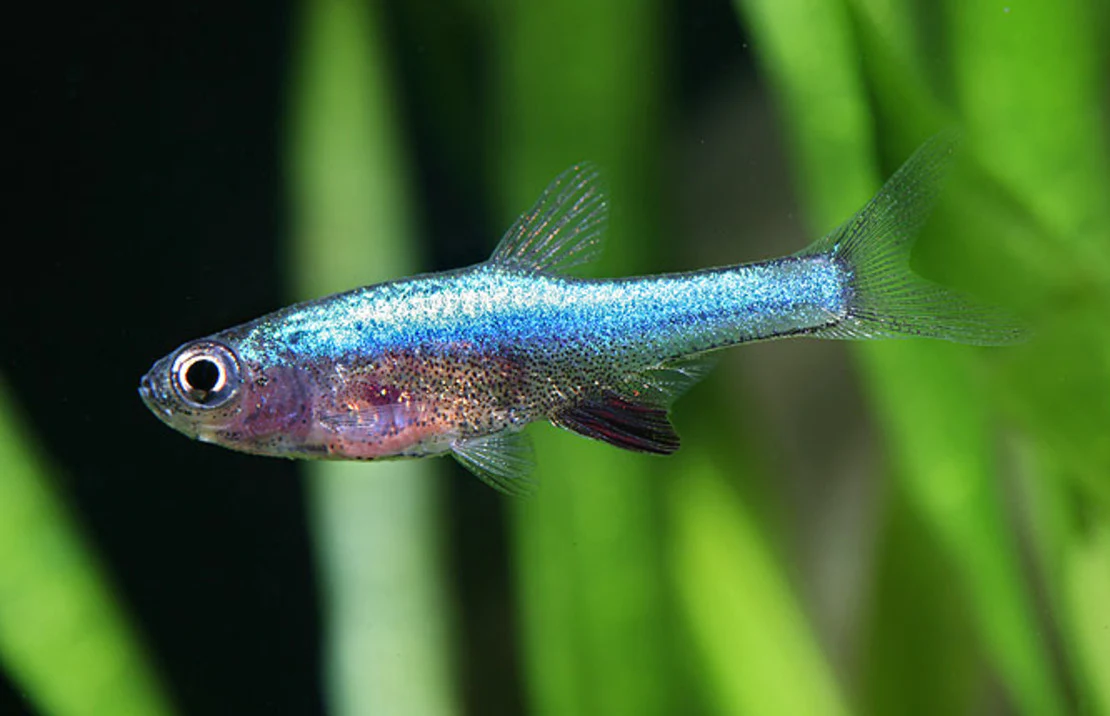
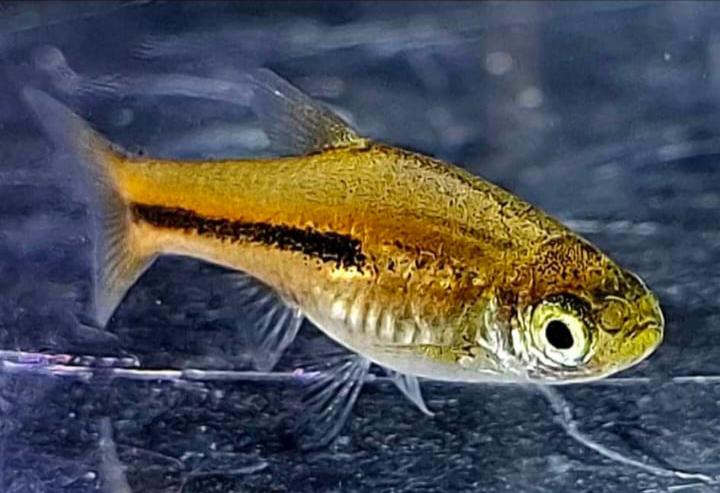
- Coloration: Mosquito Rasboras are known for their vibrant red-orange bodies that shimmer under aquarium lighting, complemented by a silver-white abdomen. They also exhibit a subtle iridescence, especially in males during breeding displays.
- Body Shape: They have a streamlined and slender body with a slightly forked caudal fin and a small, upturned mouth adapted for feeding near the water's surface.
- Size: These rasboras are one of the smallest in the hobby, typically reaching a maximum size of around 0.6 inches (1.5 cm).
Water Conditions:
To thrive, Mosquito Rasboras require specific water conditions that mimic their natural habitat:
- Temperature: 72-82°F (22-28°C).
- pH Range: 5.0-7.0.
- Water Hardness: 2-10 dGH.
- Tank Size: Due to their small size and shoaling nature, a tank of at least 5 gallons is suitable for a small group. However, larger tanks provide more stability and swimming space.
Tank Setup:
Creating an ideal habitat for your Mosquito Rasboras involves careful planning and consideration:
- Substrate: Use dark-colored fine gravel or sandy substrate to simulate their natural environment and bring out their vibrant colors.
- Decor: Provide plenty of dense vegetation such as Java moss, small-leaved plants like Anubias or Cryptocoryne, and floating plants to create shaded areas and refuge spots. Driftwood and leaf litter can also enhance their habitat.
- Filtration: Gentle filtration is recommended to avoid strong currents that can stress these small fish. A sponge filter or a low-flow hang-on-back filter with adjustable flow is ideal.
- Lighting: Use subdued lighting to mimic the dimly lit conditions of their natural habitats, which helps reduce stress and enhances their coloration.
Tank Mates:
Mosquito Rasboras are peaceful and best kept with other small, non-aggressive fish:
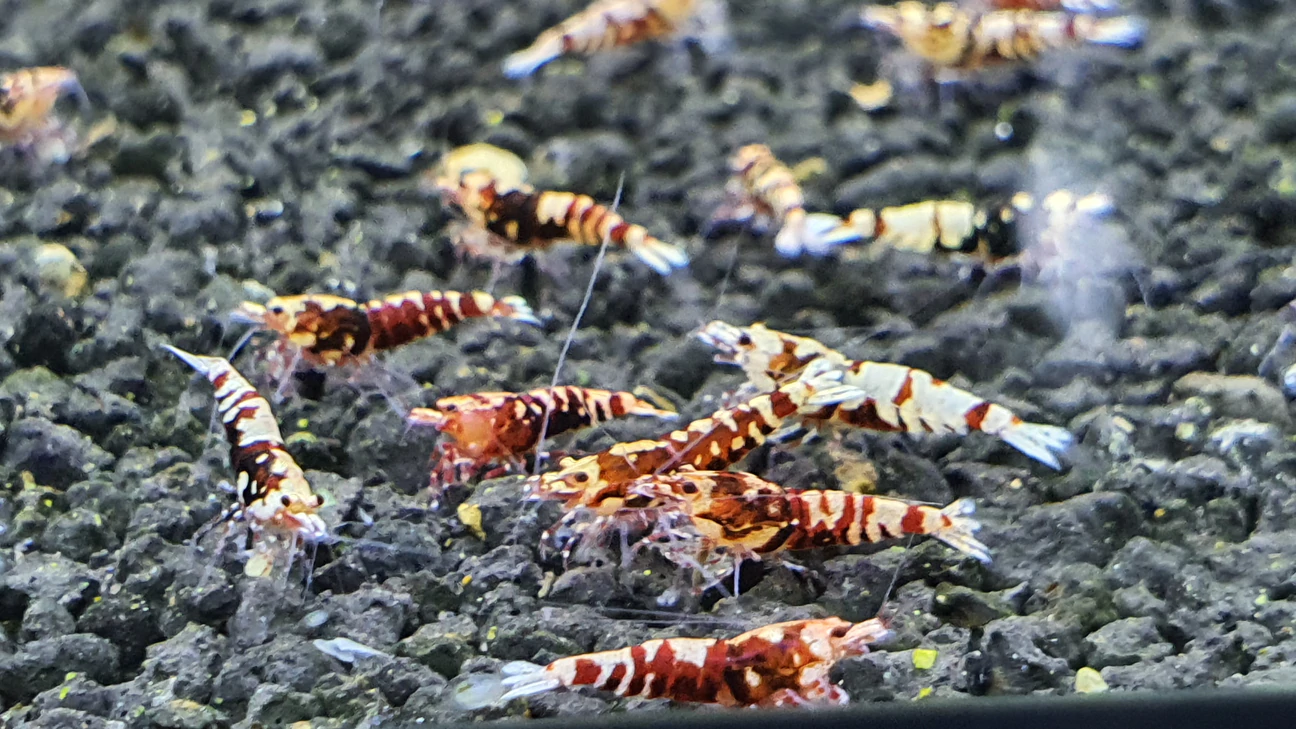
- Compatible Species: Ideal tank mates include other small rasboras, small tetras (such as Ember Tetras or Neon Tetras), dwarf shrimp (like Cherry Shrimp), and small peaceful bottom-dwelling fish like Corydoras catfish.
- Incompatible Species: Avoid keeping them with larger or aggressive fish that may intimidate or prey on them. Also, avoid fin-nipping species that could harm their delicate fins.
Feeding Habit:
Mosquito Rasboras are omnivorous and primarily feed on small invertebrates and plant matter in the wild. Provide a balanced diet to maintain their health and vibrant colors:
- Staple Diet: High-quality micro pellet or flake food suitable for small tropical fish.
- Supplements: Offer live or frozen foods such as daphnia, brine shrimp, and micro worms to supplement their diet and enhance their coloration.
- Feeding Frequency: Feed small portions 2-3 times daily, ensuring they consume the food within a few minutes to prevent overfeeding and maintain water quality.
Care and Maintenance:
Regular care and maintenance are crucial for the well-being of your Mosquito Rasboras:
- Water Changes: Perform regular water changes of 20-30% weekly to maintain water quality and remove waste buildup.
- Health Monitoring: Monitor for signs of disease or stress, such as loss of color, lethargy, or abnormal swimming behaviors. Quarantine new fish before introducing them to the main tank.
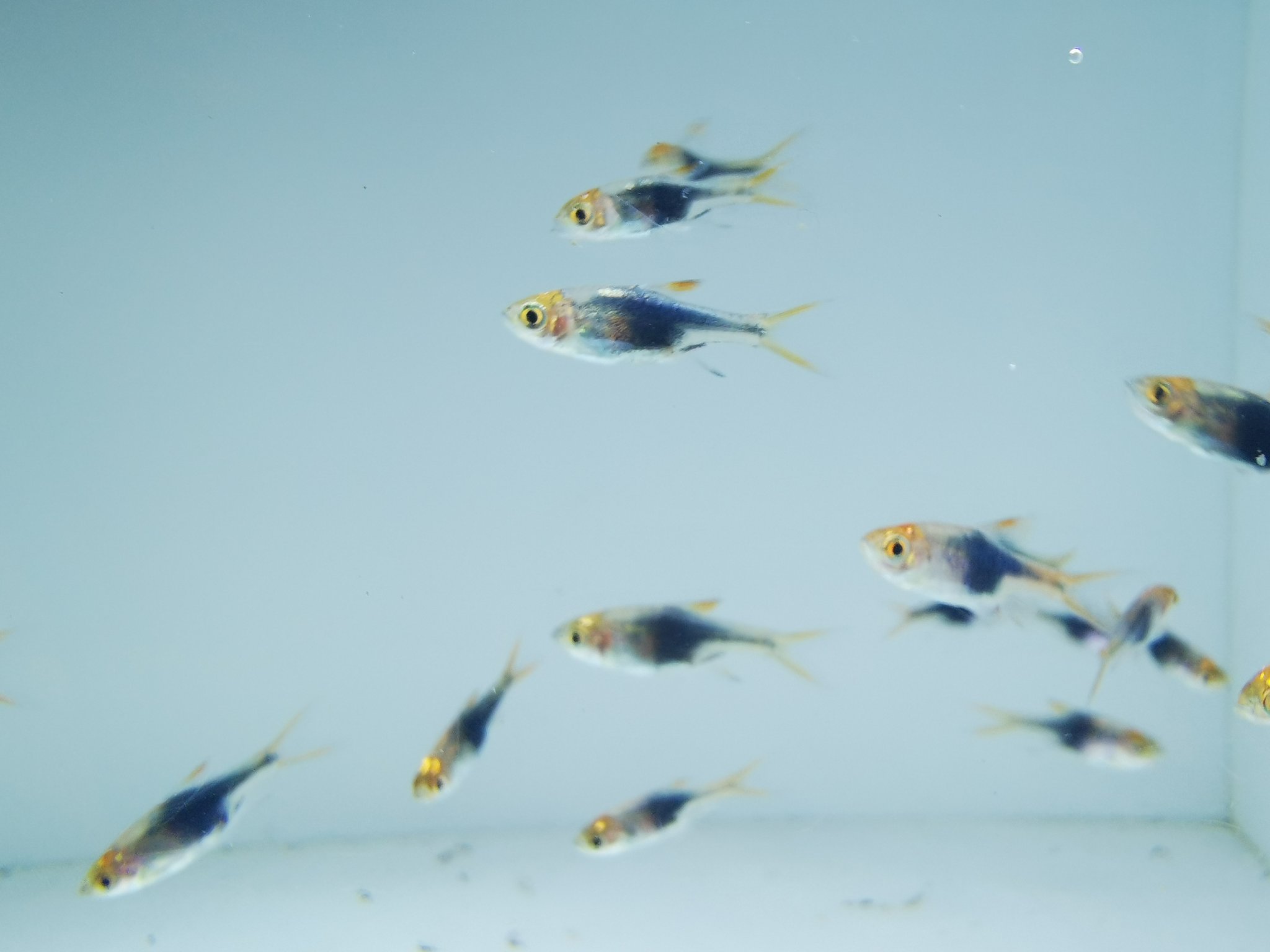
- Behavioral Observation: Watch their behavior daily. Healthy Mosquito Rasboras are active shoalers, swimming in the middle to upper levels of the aquarium and exploring their surroundings.
Breeding:
Breeding Mosquito Rasboras in captivity is possible but may require specific conditions:
- Pair Selection: Choose healthy and mature individuals displaying vibrant colors and good overall condition.
- Breeding Setup: Set up a separate breeding tank with dense vegetation and gentle filtration. Condition the fish with live and frozen foods to induce spawning.
- Spawning Process: The female will scatter adhesive eggs among fine-leaved plants or on the substrate. After spawning, remove the adults to prevent them from consuming the eggs.
- Fry Care: Fry hatch within 24-36 hours and become free-swimming shortly after. Feed them infusoria or commercial liquid fry food until they are large enough to accept baby brine shrimp or finely crushed flake food.