


Click to enlarge
Unless stated otherwise, photos show the species, not the exact fish you'll receive.
West African Angelfish
USD 286.24
Delivery Information
Dead-on-arrival protection: report within 24 hours of delivery with a photo or video for an exchange or return.
Product Variations
Quantity
Stock: 10
Product Details
Size
Up to 45.7cm
Temperament
Semi Aggressive
Water Condition
High PH
Capacity
150 gallons
Product Description
Learn More About West African Angelfish

The Most Expensive Aquarium Fish You Can Buy

Is Queen Angelfish Reef Safe? Coral and Invertebrate Compatibility Explained

Best Tank Mates for Queen Angelfish: Peaceful, Risky and Incompatible Choices

Best Tank Mates for Emperor Angelfish: Peaceful, Risky and Incompatible Choices

Is Emperor Angelfish Reef Safe? Coral and Invertebrate Compatibility Explained

How to Feed Queen Angelfish: Foods, Frequency and Common Feeding Problems

How to Feed Emperor Angelfish: Foods, Frequency and Common Feeding Problems
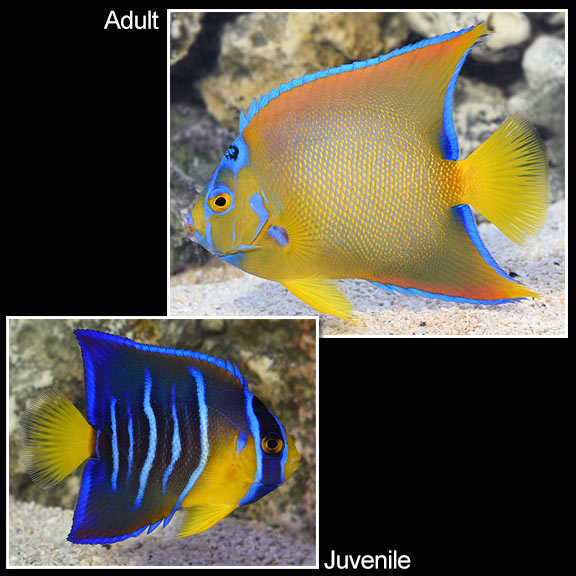
Queen Angelfish Care Guide: Tank Size, Diet, Compatibility and Reef Safety
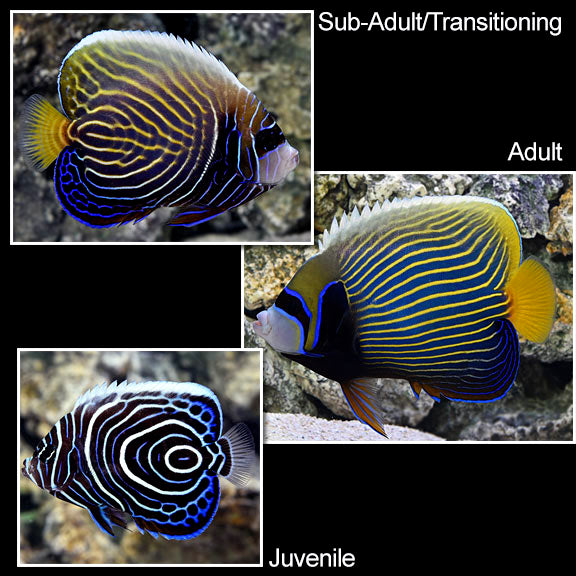
Emperor Angelfish Care Guide: Tank Size, Diet, Compatibility and Reef Safety
More from LiveAquaria US

LiveAquaria US
Similar Marine Fish You May Like

Scribbled Angelfish
USD 498.75
Goldflake Angelfish
USD 622.49False Personifer Angelfish
USD 560.61
Regal Angelfish EXPERT ONLY
USD 215.61
French Angelfish
USD 248.74Blueface Angelfish
USD 357.49
Lamarck's Angelfish
USD 87.49
Maculosus Angelfish
USD 248.74Emperor Angelfish
USD 162.49
West African Angelfish
USD 286.24Blue Girdled Angelfish
USD 137.49Flagfin Angelfish
USD 154.99
Koran Angelfish
USD 97.49
Singapore Angelfish
USD 62.49Asfur Angelfish
USD 323.74